Windsor Hub
Children and young people attending the Windsor groups take part in a wide range of inclusive, neuro-affirming activities, including:
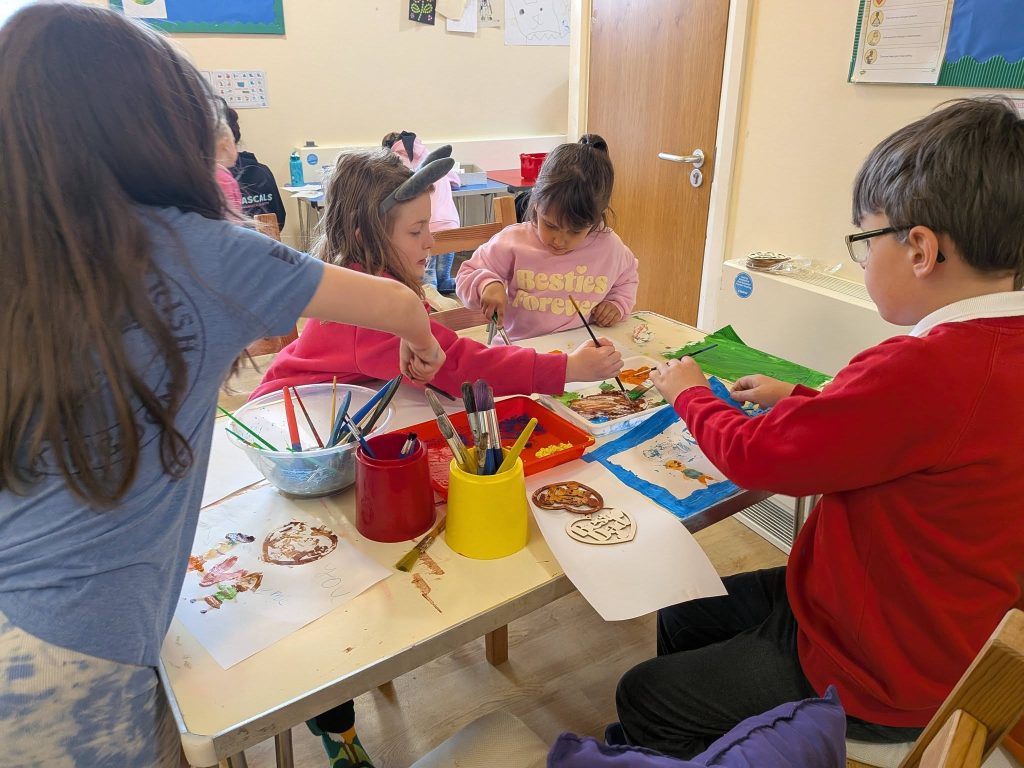
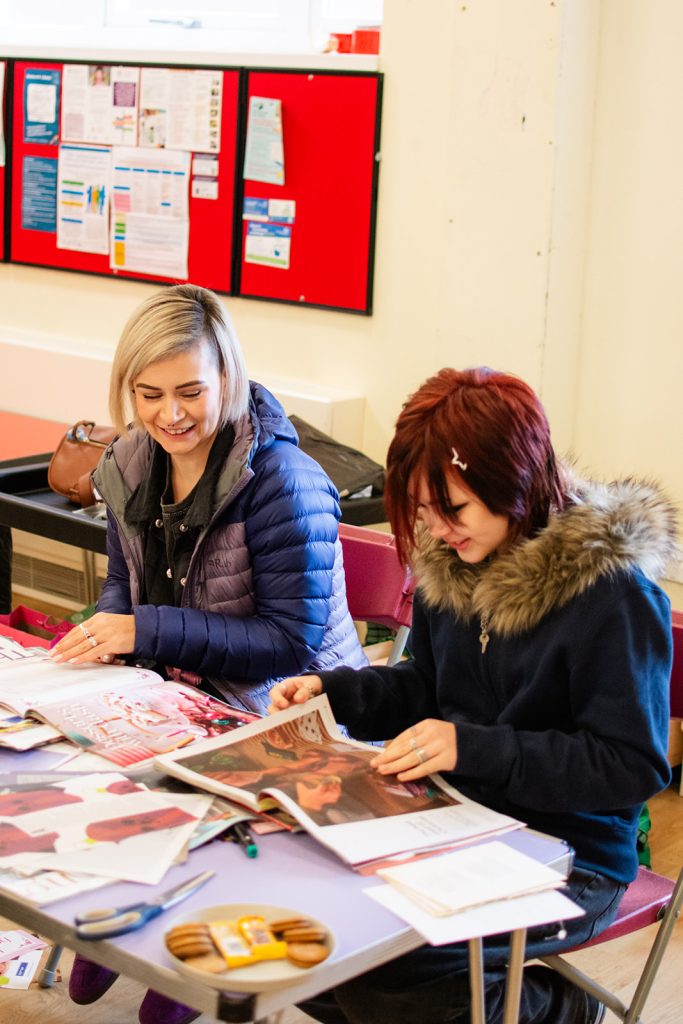
Arts and crafts, such as painting, drawing, model-making, collage, colouring, weaving and themed creative projects.
STEM activities, such as experiments, volcano-making, building challenges, sensory science, problem-solving tasks and hands-on discovery activities.
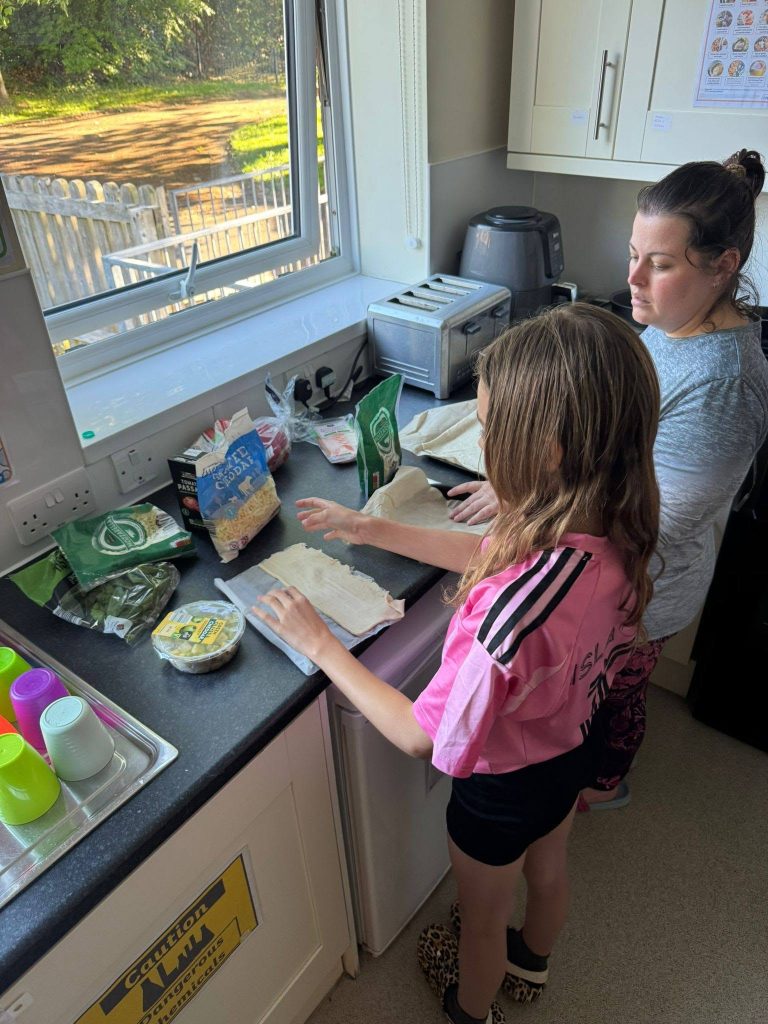
Cooking and food preparation, including chopping, mixing, decorating biscuits, making simple meals and learning kitchen safety.
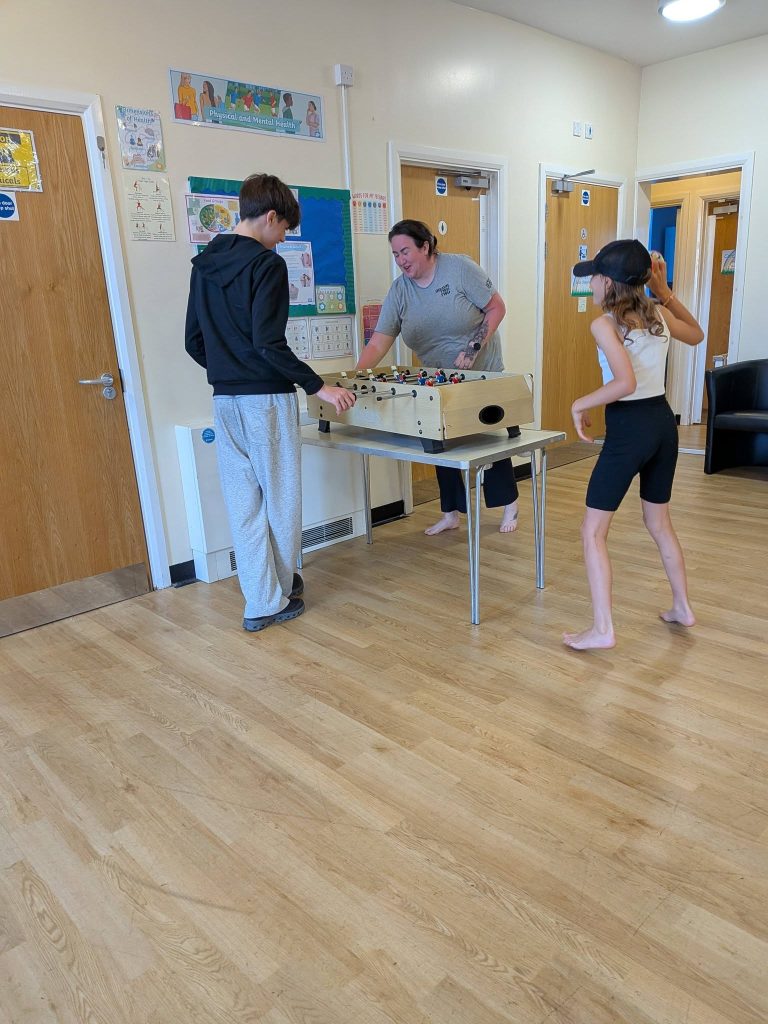
Sports and physical activities, including football, games, team challenges, movement activities and active play.
Gaming and technology activities, including shared video games, turn-taking, teamwork and digital play.
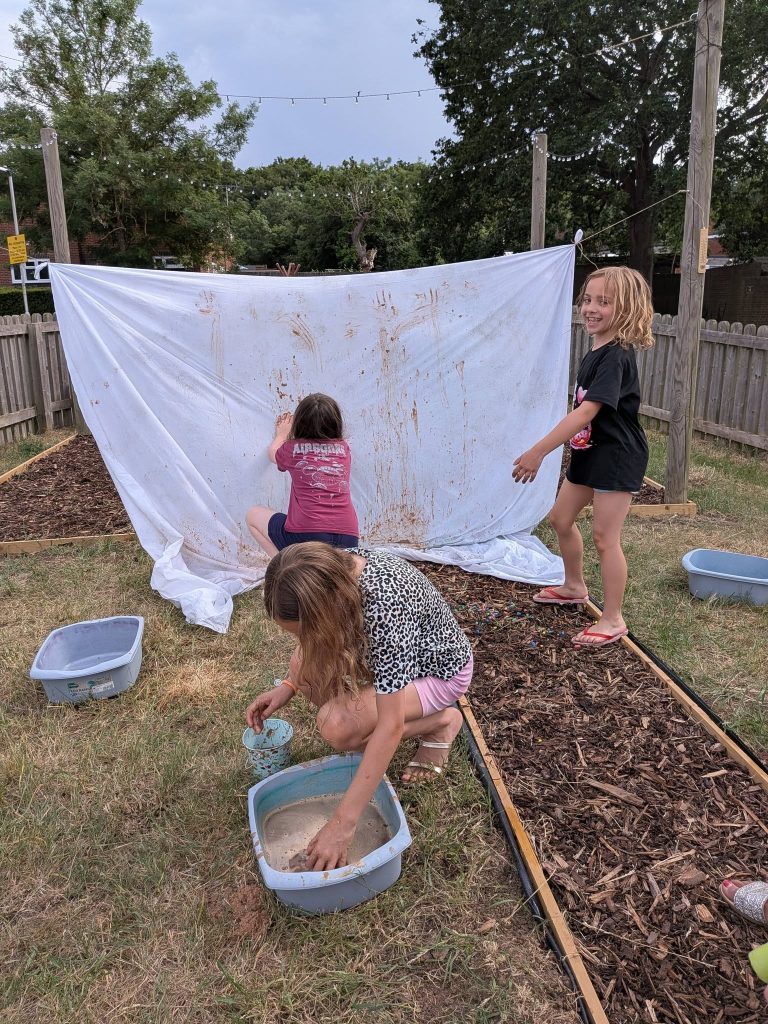
Sensory activities, including sensory tubes, textures, messy play, calming resources and regulation-based activities.
Social games and group activities that support communication, friendship-building and confidence.
Life skills activities, including independence skills, teamwork, planning, responsibility and learning everyday practical tasks.
YouthAbility Young Leaders activities, where young people help shape sessions, support younger members and develop leadership skills.
Day trips out into the community, helping children and young people access new places, build confidence and enjoy shared experiences.
Museum and learning visits, including opportunities to explore history, local heritage and military-themed activities.
Outdoor activities, including group projects, field games, nature-based activities and outdoor exploration.
Wellbeing activities, including emotional regulation, confidence-building, peer support and calm reflection.
Seasonal and themed sessions, such as Remembrance activities, celebrations, parties and community events.
Creative group projects, such as building displays, making decorations and working together on larger shared pieces.
Social time where children and young people can relax, talk, play, observe or take part in a way that feels comfortable for them.
- BSL learning
Members of our Wellness Wednesdays sessions benefit from gentle exercises to improve flexibility, mobility and physical health.
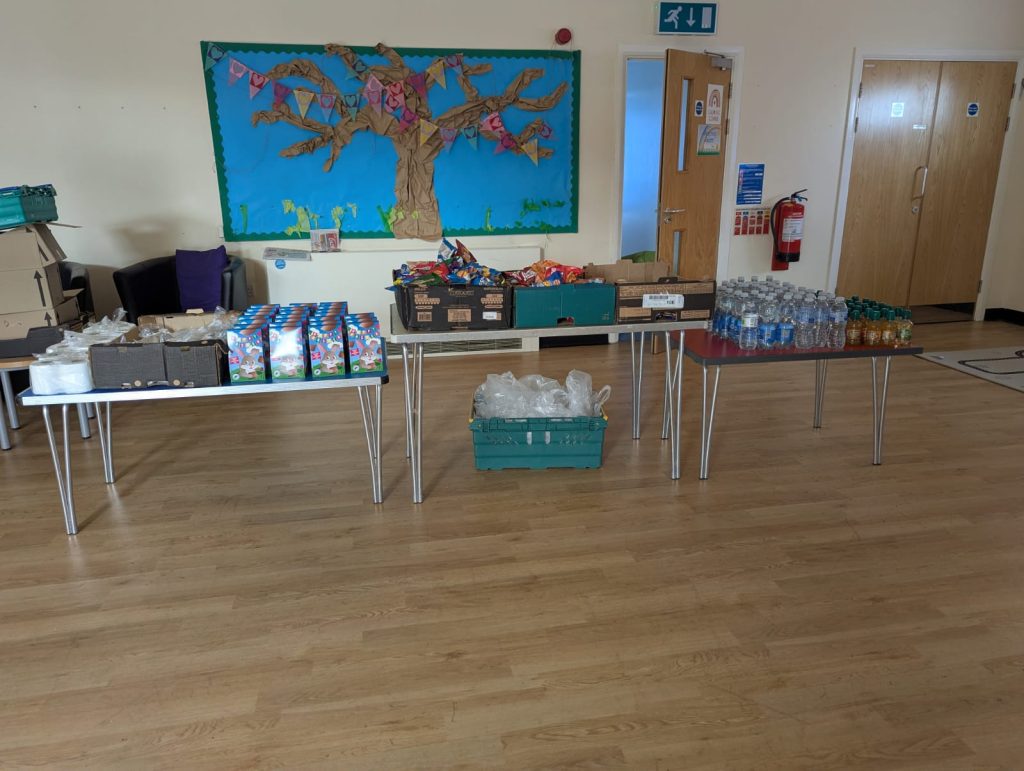
Once a month (or sometimes more) our Armed Forces families in Windsor benefit from free food and toiletry donations thanks to Tiia from Driven Forward Community Fridge. Our surplus food is then further donated on to Windsor Horse Rangers to ensure minimal food wastage.

Sensory Explorers
Sensory Explorers is a neuro-affirming group session supporting service children aged 4–10 years to explore, learn, communicate and build confidence in a safe, inclusive and understanding environment. The group is delivered at Poppies Children’s Centre, Windsor, SL4 4XP, and is designed for children who benefit from gentle, creative and sensory-led learning opportunities.
Sensory Explorers encourages children to investigate, discover and express themselves through independent and small-group activities that are adapted to each child’s strengths, interests and individual needs. Every session includes BSL learning, helping children develop inclusive communication skills, confidence with signing and a greater understanding of different ways people communicate.
Sessions may include activities such as:
- Independent and small-group exploration
- Creative expression through art, music, literacy and sensory play
- BSL signs and inclusive communication learning
- STEM activities that encourage problem-solving and future-forward skills
- Confidence-building opportunities to make choices and decisions
- Food exploration, cooking skills and practical life learning
- Activities that support curiosity, discovery and social connection
Sensory Explorers provides a calm, welcoming space where children can learn at their own pace, celebrate their strengths and feel understood, included and valued.
YouthAbility and YouthAbility Young Leaders
YouthAbility: 10 – 16 years
YouthAbility Young Leaders: 14 – 25 years
A neuro-affirming group session for children and young people. The group provides a safe, inclusive and welcoming space where young people can build confidence, develop friendships, take part in creative activities and feel accepted for who they are.
Sessions are designed to support neurodivergent and disabled young people, as well as those who may experience anxiety, social communication differences, sensory needs or barriers to accessing mainstream activities. Activities may include arts and crafts, cooking, games, sensory exploration, wellbeing activities, social time, life skills, teamwork tasks and themed projects.
YouthAbility focuses on reducing isolation, supporting emotional wellbeing and helping young people develop independence at their own pace. The group is flexible, low-pressure and person-centred, with staff and volunteers adapting activities to meet individual needs. Young people are encouraged to take part in a way that feels comfortable for them, whether that means joining in fully, observing first, taking breaks or using alternative communication.
The aim of YouthAbility is to create a space where young people feel they belong, are listened to, and can enjoy positive experiences within their local community.
YouthAbility Young Leaders is a progression opportunity for young people who want to build confidence, leadership skills and a stronger voice within their community. The group supports young people to develop skills such as teamwork, communication, decision-making, problem-solving, responsibility and peer support.
Young Leaders may help shape YouthAbility sessions, suggest activities, support younger members, assist with setting up resources, contribute to group discussions and take part in community projects. The programme gives young people the chance to be seen as capable, valued and influential, while developing skills that can support future volunteering, education, training or employment opportunities.
The Young Leaders group is delivered in a supportive, neuro-affirming way, recognising that leadership can look different for every young person. Some may lead through speaking, others through creativity, practical tasks, kindness, ideas, organisation or quiet encouragement. The focus is on helping each young person discover their strengths and use them in a positive, meaningful way.
Together, YouthAbility and YouthAbility Young Leaders help create an inclusive Windsor community where neurodivergent and disabled young people can feel safe, make friends, grow in confidence and have their voices heard.
ECO Forces
All Ages
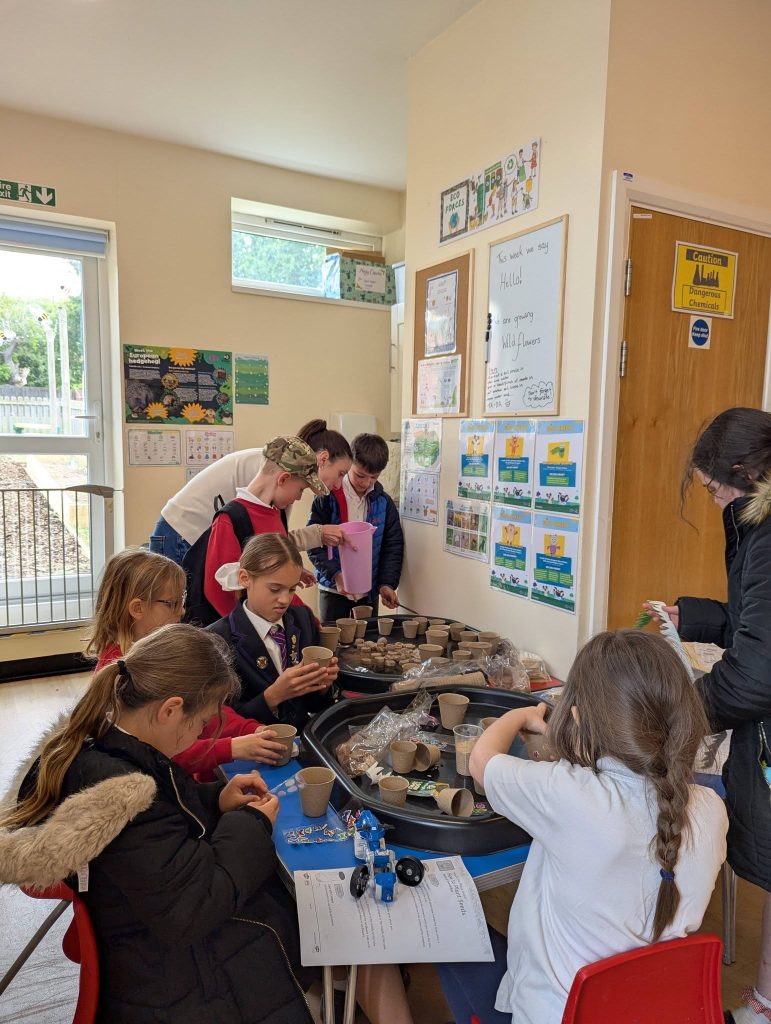
Eco Forces is a neuro-affirming outdoor group session supporting neurodivergent and disabled children, young people and families to connect with nature, build confidence, develop practical skills and improve wellbeing in a safe, inclusive and understanding environment.
The group is designed for children and young people who may benefit from outdoor learning, sensory exploration, gentle movement, environmental activities and opportunities to build social confidence at their own pace. Eco Forces recognises that nature can be calming, regulating and empowering, especially for those who may experience anxiety, sensory differences, communication differences or barriers to accessing traditional activities.
Sessions may include activities such as:
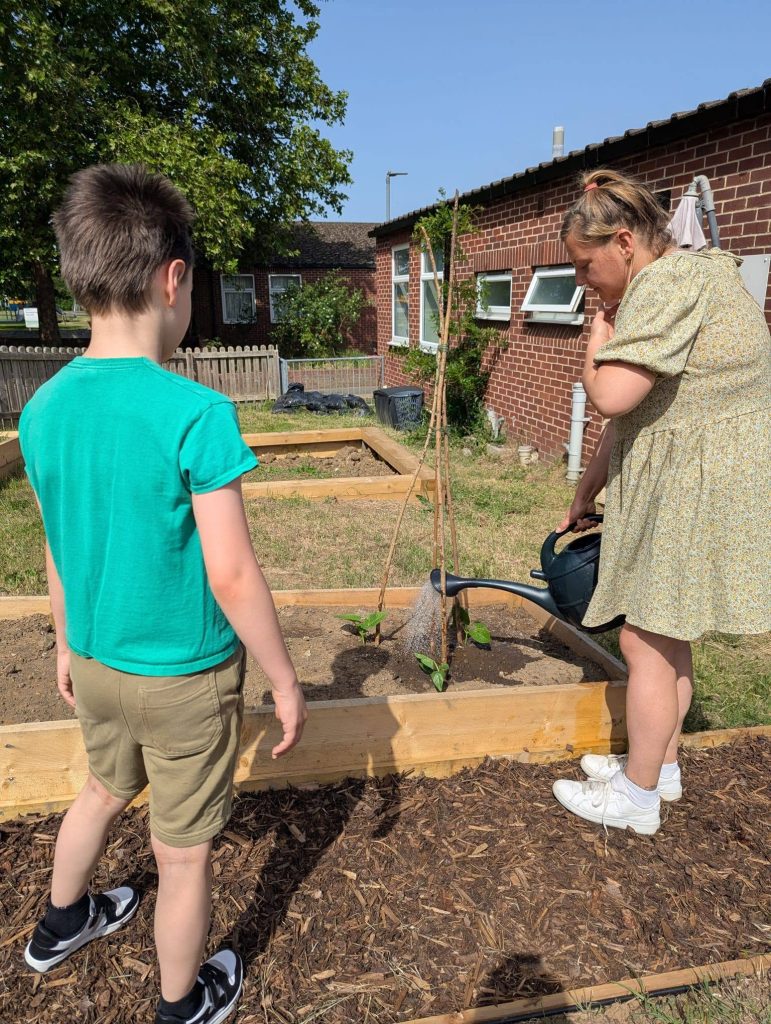
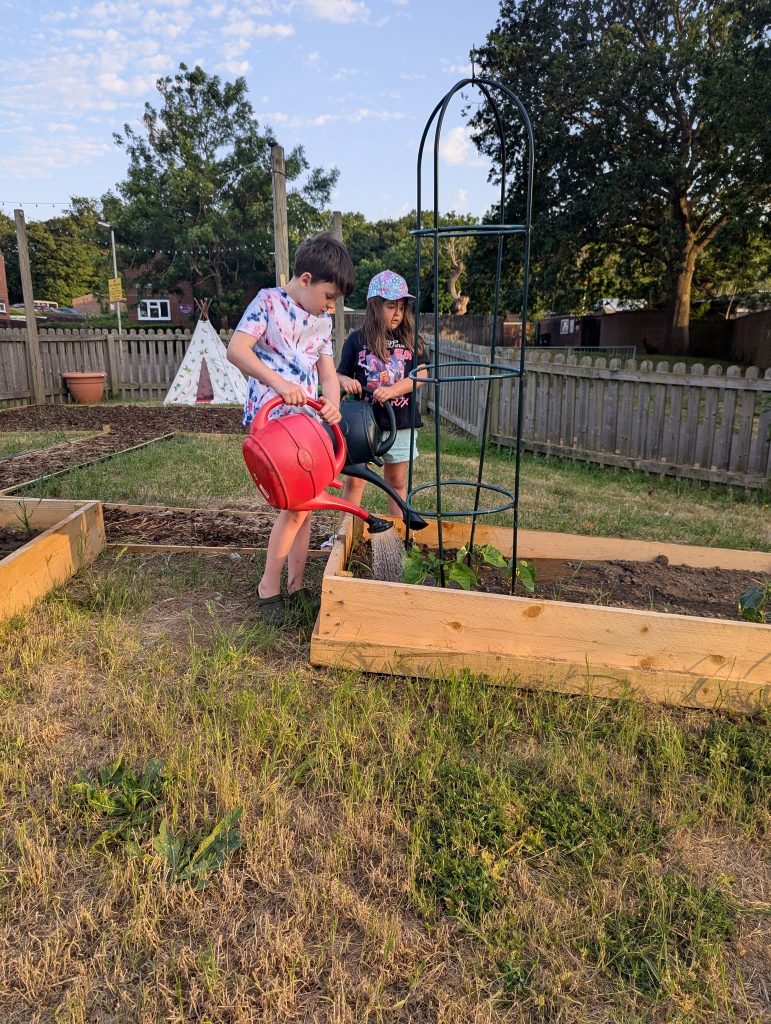
- Gardening and planting
- Growing vegetables, herbs, flowers and sensory plants
- Watering, weeding and caring for outdoor spaces
- Wildlife spotting and nature observation
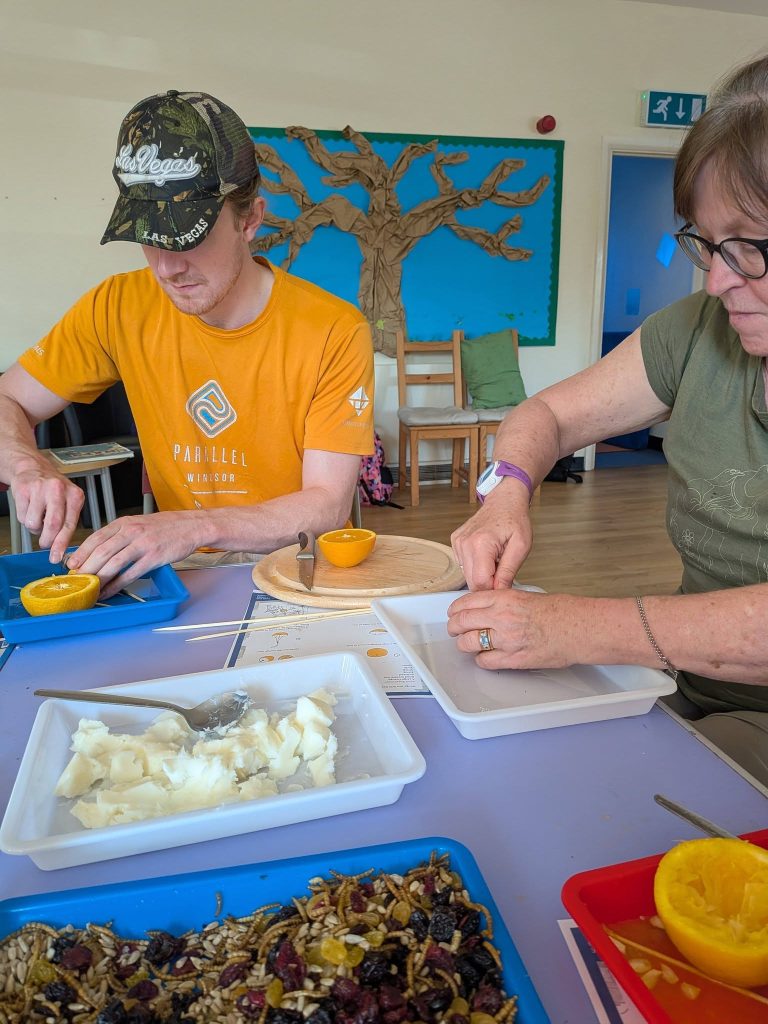
- Bug hotels, bird feeders and pollinator-friendly activities
- Eco crafts using natural or recycled materials
- Composting and learning about reducing waste
- Outdoor messy play and sensory exploration
- Teamwork and confidence-building activities
- Learning about sustainability, climate care and protecting the planet
Eco Forces helps members develop responsibility, independence, communication, resilience and practical life skills while having fun outdoors. Sessions are flexible and person-centred, allowing each participant to join in in a way that feels safe and comfortable for them.
Through Eco Forces, NeuroDiverse Community CIC encourages children, young people and families to care for themselves, each other and the environment.
Our Eco Forces sessions are split between Poppies Children’s Centre and our allotment plots in Bray.
Women & Girls
8+ years
Women & Girls sessions are neuro-affirming group sessions supporting neurodivergent and disabled women, girls and those who identify with women and girls’ experiences to build confidence, connection, self-understanding and wellbeing in a safe, inclusive and understanding environment.
The group is designed for women and girls who may experience barriers to social connection, confidence, emotional wellbeing, self-advocacy or accessing community spaces. This may include anxiety, masking, sensory needs, communication differences, trauma, isolation, caring responsibilities, disability-related barriers, late diagnosis or feeling misunderstood in other environments.
Women & Girls sessions provide gentle, supportive opportunities for members to connect with others, explore identity, develop confidence and take part in meaningful activities at their own pace. The sessions are designed to feel safe, welcoming and non-judgemental, with no pressure to join in in one particular way.
Sessions may include activities such as:
- Confidence-building activities
- Creative wellbeing projects
- Mindfulness and relaxation
- Peer support and shared discussion
- Self-care and emotional wellbeing
- Body confidence and self-esteem activities
- Understanding masking and burnout
- Exploring identity, diagnosis and neurodivergence
- Friendship and social connection
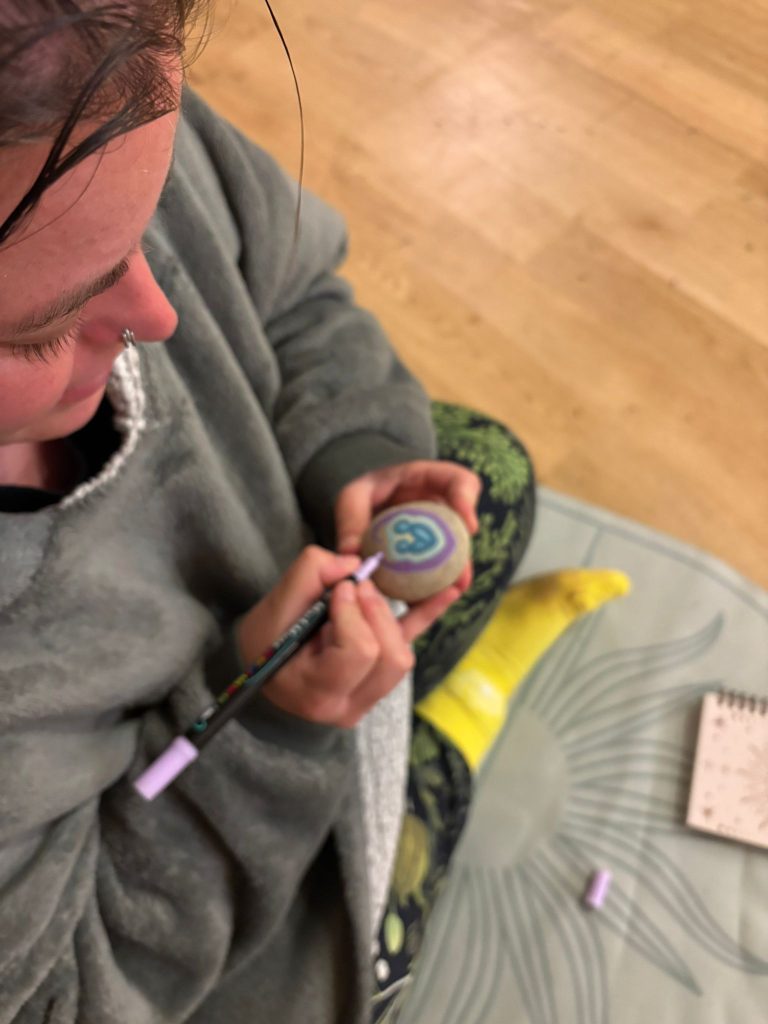
- Creative journaling, vision boards and reflection
- Women’s health and wellbeing discussions, including free access to menstrual products
- Practical life skills and self-advocacy
- Inclusive community activities
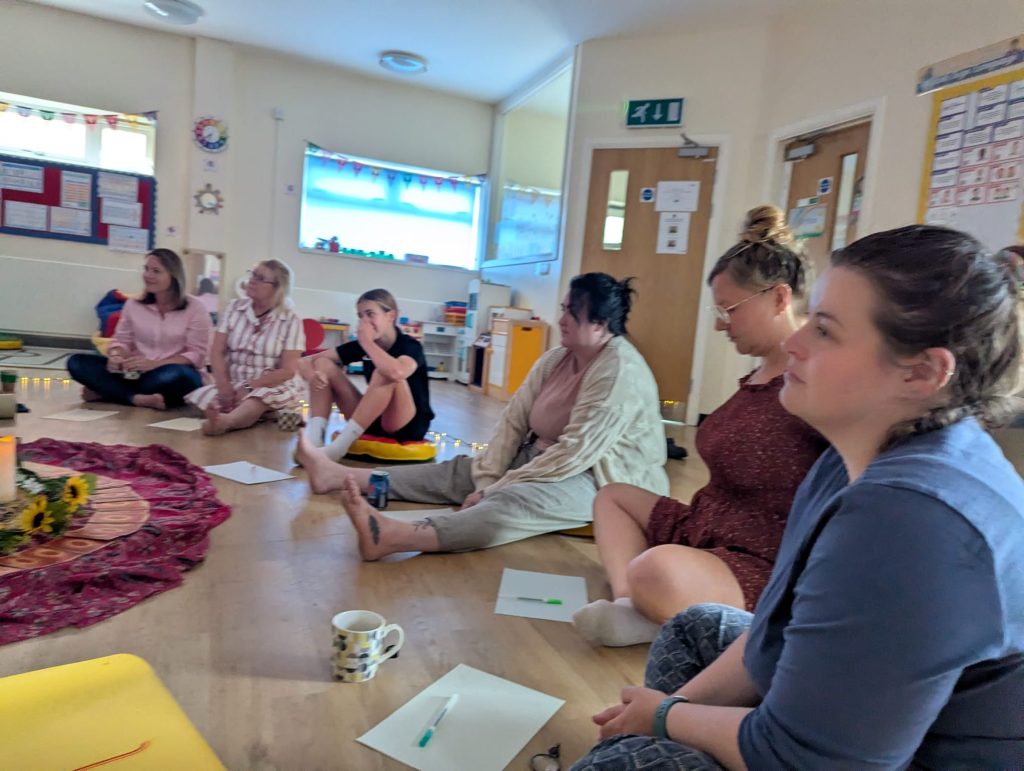
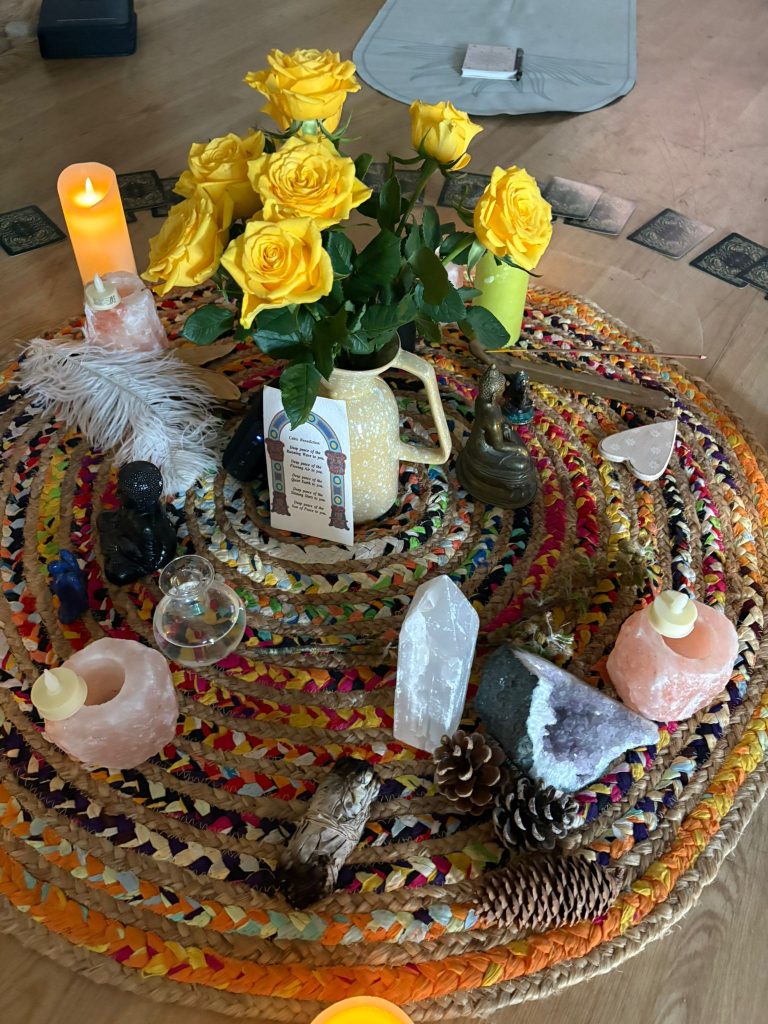
Our monthly Moon Circles provide a calm, supportive space for women and girls to pause, reflect, reset and connect. These sessions may include gentle discussion, grounding activities, journaling, intention setting, mindfulness, creativity and peer connection, helping members feel heard, valued and supported.
Through Women & Girls sessions, NeuroDiverse Community CIC creates a safe and empowering space where women and girls can be themselves, build meaningful connections and feel supported wherever they are in their journey.
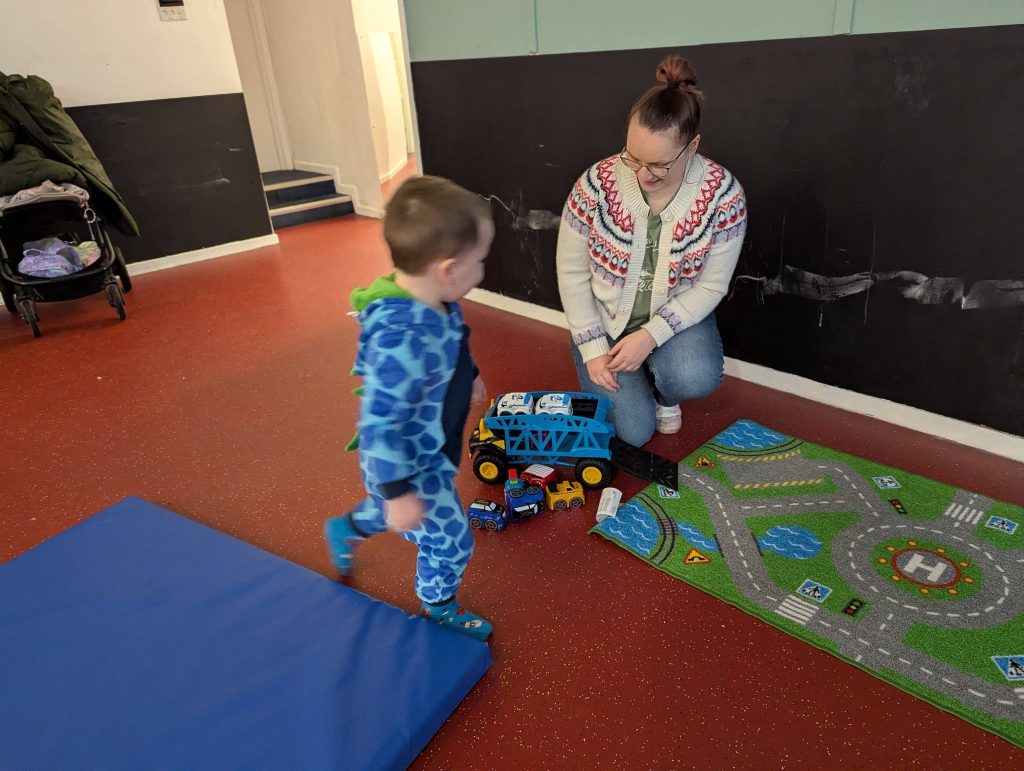
Sensory Babes
0-5 years
Sensory Babes is a neuro-affirming group session for children aged 0–5 years, supporting early development, communication, sensory exploration and social connection in a safe, inclusive and understanding environment.
The group is designed for babies, toddlers and young children who may be neurodivergent, disabled, have emerging needs, developmental differences, sensory needs, communication differences or who would benefit from gentle, supportive early years play. Sensory Babes also supports parents and carers by providing a welcoming space where families can connect, feel understood and access early support without judgement.
Sessions are child-led, flexible and responsive, allowing each child to explore, communicate and join in at their own pace. Activities are designed to support regulation, confidence, curiosity, communication, movement and early interaction through play.
Sessions may include activities such as:
- Baby signing
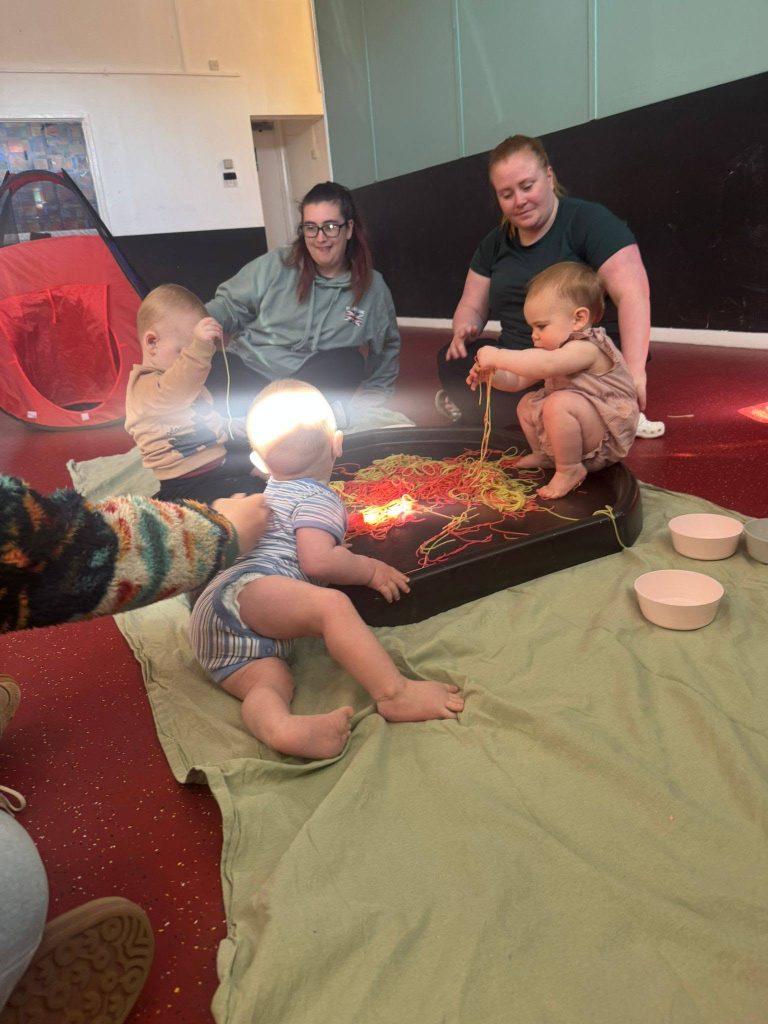
- Sensory play
- Music, movement and songs
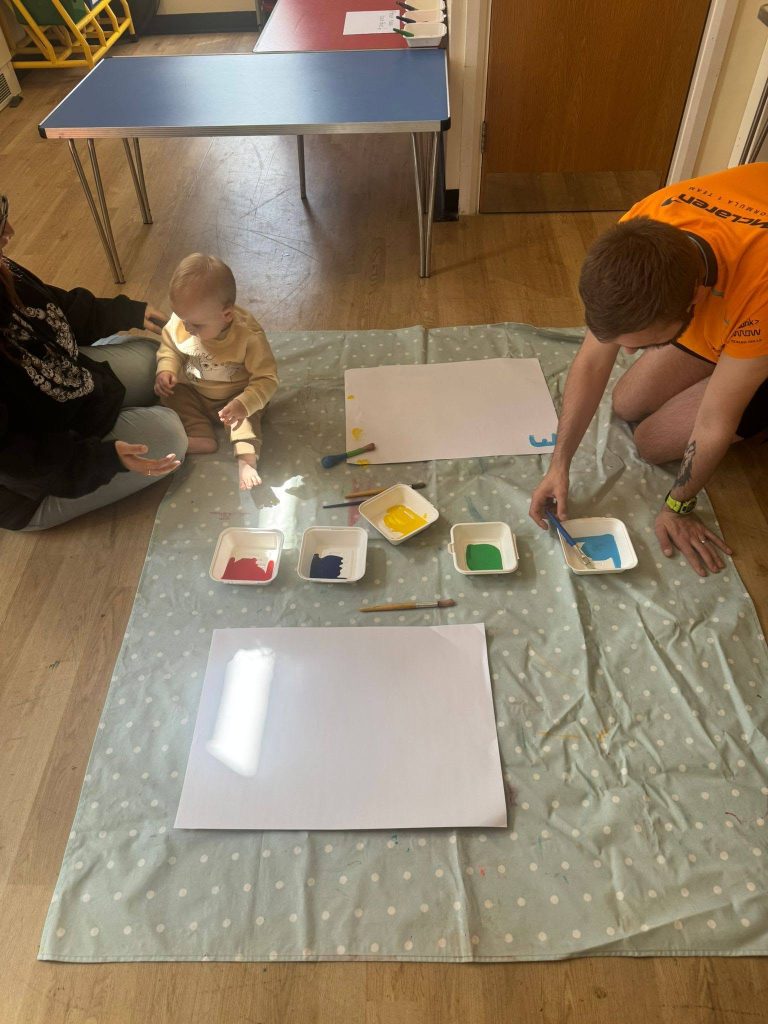
- Messy play
- Light and sound exploration
- Texture and tactile activities
- Story time
- Fine and gross motor play
- Communication and interaction games
- Visual supports and early communication tools
- Calming and regulation activities
- Parent and carer connection
- Early years SEND support and guidance
Baby signing is included to support early communication, reduce frustration and help children express their needs before or alongside spoken language. It can also strengthen connection between children and their parents or carers, while supporting confidence, attention and understanding.
Through Sensory Babes, NeuroDiverse Community CIC provides a gentle and inclusive early years space where children can explore the world safely, families can feel supported, and every child is valued exactly as they are.
EmployAbility
16 – 25 years
EmployAbility is a neuro-affirming group session supporting neurodivergent and disabled people to build confidence, develop employment skills and explore future opportunities in a safe, inclusive and understanding environment.
The group is designed for people who may face barriers to work, volunteering, training or education, including confidence, anxiety, communication differences, sensory needs, past negative experiences, disability-related barriers or uncertainty about where to start. EmployAbility provides gentle, practical support at each person’s own pace.
Sessions may include activities such as:
- CV building
- interview preparation
- job searching
- workplace communication
- understanding reasonable adjustments
- confidence-building
- teamwork tasks
- life skills
- volunteering pathways
- employer expectations
- supported employment planning
The group also creates space for peer support, discussion and sharing experiences in a non-judgemental setting.
EmployAbility recognises that employment and progression look different for everyone. For some people, the first step may be attending a group, building routine or increasing confidence. For others, it may be preparing for volunteering, applying for work, developing independence or learning how to ask for support in the workplace.
The aim of EmployAbility is to empower people to recognise their strengths, understand their rights, build practical skills and feel more prepared for the world of work, volunteering or further learning. Sessions are inclusive, accessible and person-centred, with support adapted to individual needs.
What our sessions support
Social Interaction
NDC supports social interaction within groups by creating safe, neuro-affirming and low-pressure spaces where children, young people, adults and families can connect in ways that feel comfortable for them.
Group sessions are structured to encourage friendship, communication, teamwork and shared interests, while recognising that social interaction looks different for every person.
Participants can choose how they engage, whether through conversation, creative activities, games, cooking, sensory play, peer support, practical tasks or simply being present alongside others.
Staff and volunteers help reduce barriers by using clear routines, visual supports, flexible communication, sensory-aware environments and gentle encouragement. This helps people build confidence, develop relationships, reduce isolation and feel a stronger sense of belonging within their local community.
Communication Support
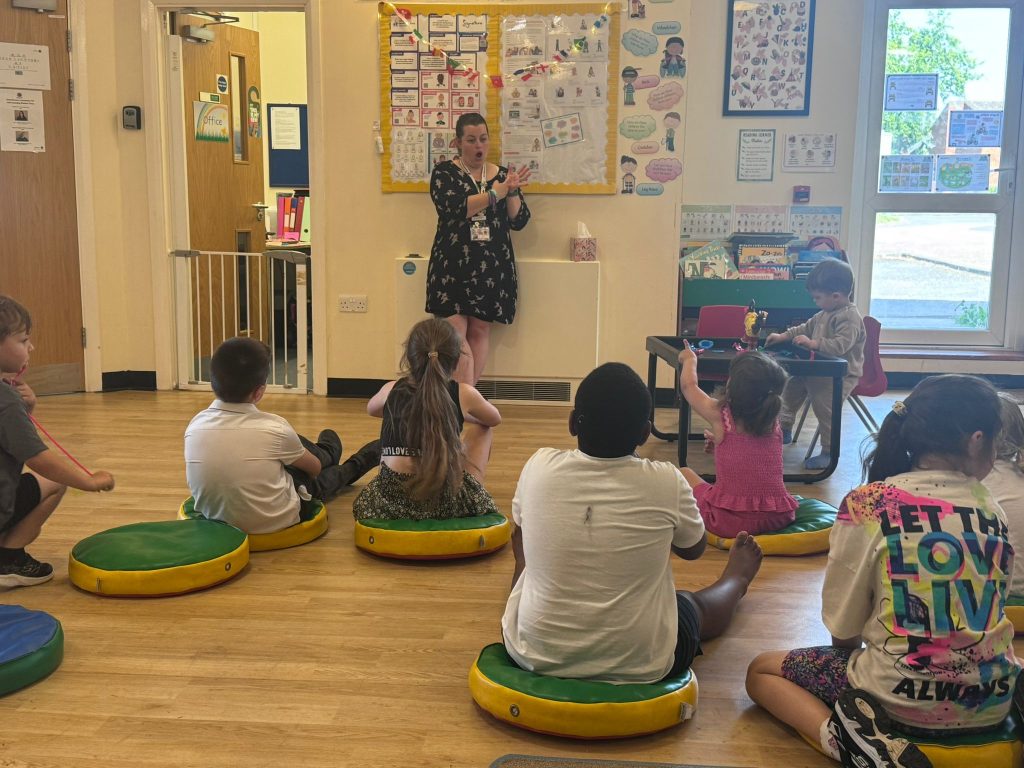
NDC supports inclusive communication within groups by recognising that everyone communicates differently and that spoken language is only one form of expression.
Staff and volunteers use a flexible, person-centred approach, offering visual supports, clear instructions, symbols, gestures, demonstrations, written information, sensory-aware communication, BSL, Makaton, AAC and extra processing time where needed.
Participants are never pressured to communicate in one set way; they can join in through talking, pointing, showing, drawing, using communication aids, observing, movement, play or shared activity.
Group leaders adapt their language, reduce unnecessary demands, check understanding gently and create predictable routines so children, young people and adults feel safe, respected and included.
This helps remove communication barriers, builds confidence and ensures everyone has a voice within the group.
Emotional Support
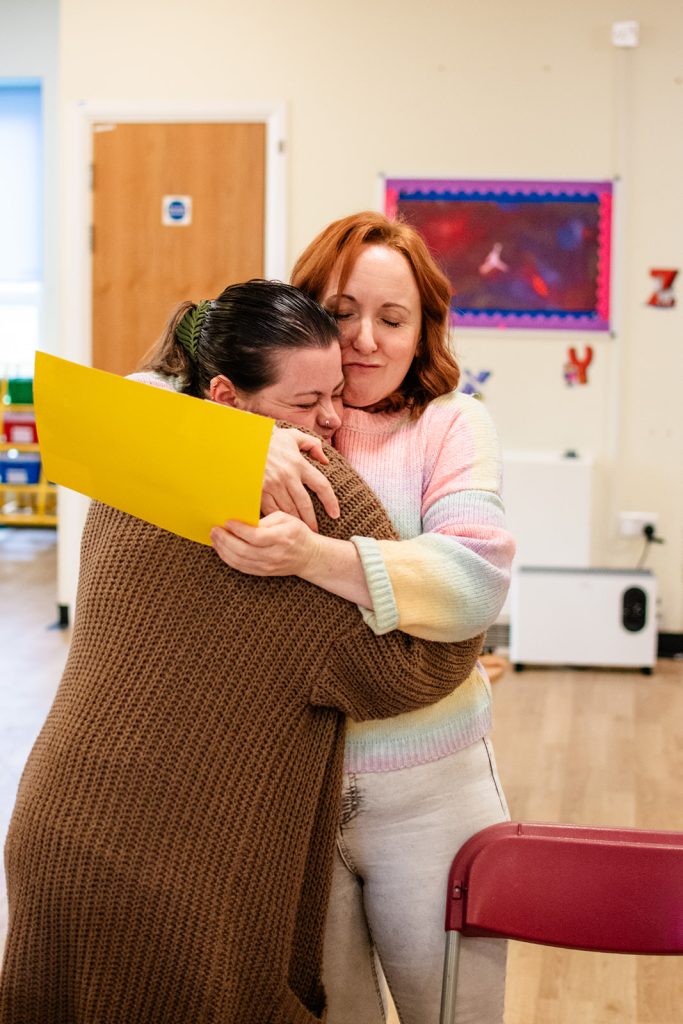
NDC provides emotional support within groups by creating calm, safe and non-judgemental spaces where children, young people, adults and families feel accepted, understood and valued. Staff and volunteers take time to build trusting relationships, recognise individual needs and respond with patience, empathy and reassurance. Participants are supported to express feelings in ways that work for them, whether through talking, creative activities, movement, sensory resources, quiet time or simply being alongside others. Groups are flexible and low-pressure, with breaks, regulation strategies and gentle encouragement available whenever needed. By validating emotions, reducing anxiety and promoting a sense of belonging, NDC helps participants feel more confident, connected and emotionally safe within the community.
Supporting Independence
NDC supports learning life skills and independence within groups by creating practical, supportive opportunities for children, young people and adults to build confidence through everyday activities. Sessions may include cooking, food preparation, tidying up, making choices, following routines, managing personal belongings, taking turns, planning activities, using money, travelling safely in the community, problem-solving and developing responsibility. Staff and volunteers break tasks down into clear, manageable steps and offer visual prompts, demonstrations, encouragement and adapted support where needed. Participants are given time to practise skills at their own pace, make decisions, try new experiences and build independence in a safe, neuro-affirming environment. This helps people develop confidence, self-esteem and practical skills they can use at home, in the community, in education, volunteering or future employment.
Financial Hardship Support
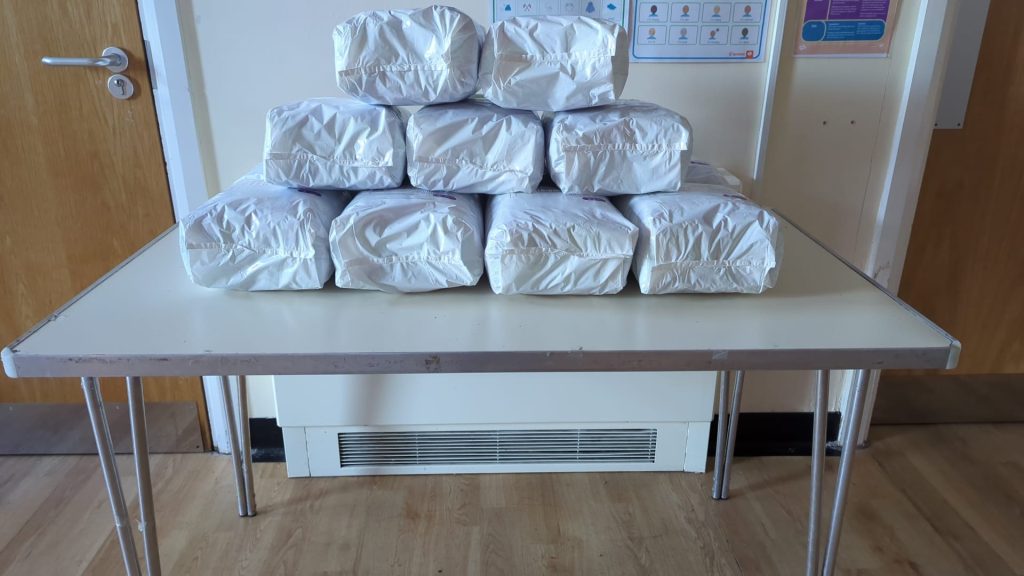
NDC provides Poverty Relief Support for Armed Forces families by offering a monthly session where donated food and essential items are made available free of charge to those who need support. This service is designed to reduce financial pressure, support family wellbeing and ensure that families can access practical help in a safe, respectful and non-judgemental environment.
The support is available to Armed Forces families, including serving personnel, reservists, veterans, cadets and their families, who may be experiencing financial hardship, increased cost-of-living pressures, transition challenges, deployment-related strain or unexpected changes in circumstances. Families are able to access donated food without stigma, with staff and volunteers offering a welcoming and understanding approach.
The monthly sessions help families meet immediate practical needs while also creating opportunities for connection, signposting and wider community support. Where appropriate, NDC can help families access further information, advocacy, wellbeing support, group sessions and other local services that may help reduce isolation and improve stability.
Poverty Relief Support reflects NDC’s commitment to standing alongside Armed Forces families with dignity, compassion and practical action, ensuring that no family feels alone when facing difficult times.